

Article Archives
- February 2024
- January 2024
- September 2023
- August 2023
- July 2023
- May 2023
- April 2023
- March 2023
- February 2023
- November 2022
- October 2022
- September 2022
- August 2022
- July 2022
- June 2022
- May 2022
- February 2022
- January 2022
- November 2021
- October 2021
- September 2021
- August 2021
- July 2021
- June 2021
- May 2021
- April 2021
- March 2021
- February 2021
- January 2021
- December 2020
- November 2020
- October 2020
- September 2020
- August 2020
- July 2020
- June 2020
- May 2020
- April 2020
- March 2020
- February 2020
- January 2020
- December 2019
- November 2019
- October 2019
- September 2019
- August 2019
- July 2019
- June 2019
- May 2019
- April 2019
- March 2019
- February 2019
- January 2019
- December 2018
- November 2018
- October 2018
- September 2018
- August 2018
- July 2018
- June 2018
- May 2018
- April 2018
- March 2018
- February 2018
- January 2018
- December 2017
- November 2017
- October 2017
- September 2017
- August 2017
- July 2017
- June 2017
- April 2017
- February 2017
- January 2017
- December 2016
- November 2016
- October 2016
- September 2016
- August 2016
- July 2016
- June 2016
- January 2016
- December 2015
- November 2015
- October 2015
- September 2015
- August 2015
- July 2014
- June 2014
- May 2014
- April 2014
- March 2014
- September 2013
- April 2013
- March 2013
- October 2012
- All Current Articles
Article Categories
- Awards & Grants
- Bio Fuels
- Case Studies
- Clean Cities and Communities
- Clean Fuels Events - National/Regional
- Clean Fuels Events - Statewide
- Clean Fuels Funding
- Clean Fuels Infrastructure
- CNG
- Electric Vehicles
- Emissions & Fuel Economy
- Energy Efficient Mobility Systems (EEMS)
- EPA Advance Program
- Home Page
- Hydrogen Fuel Cell
- LCF Members
- LCF Press Releases
- Louisiana Department of Environmental Quality
- Louisiana News
- National News
- News
- Office of Critical Minerals and Energy Innovation
- Propane
- Tax Incentives
- Technical Workshops
- Webinar
- All Current Articles
Clean Fuel News
Clemson Area Transit Brings on Board More Proterra Electric Buses
Posted by Betsy Lillian
Via NGT News
South Carolina-based Clemson Area Transit (CATbus) has purchased ten 40-foot Proterra Catalyst E2 buses and related charging infrastructure, representing the transit agency’s second fleet of battery-electric Proterra buses.
Serving 1.9 million riders annually in three upstate South Carolina counties, including the cities of Clemson and Seneca, the towns of Central and Pendleton, and four universities, the fare-free CATbus system will have the largest zero-emission fleet in the Carolinas, says Proterra.
The CATbus transit vehicles will be manufactured in Proterra’s East Coast manufacturing facility, located in nearby Greenville, S.C.
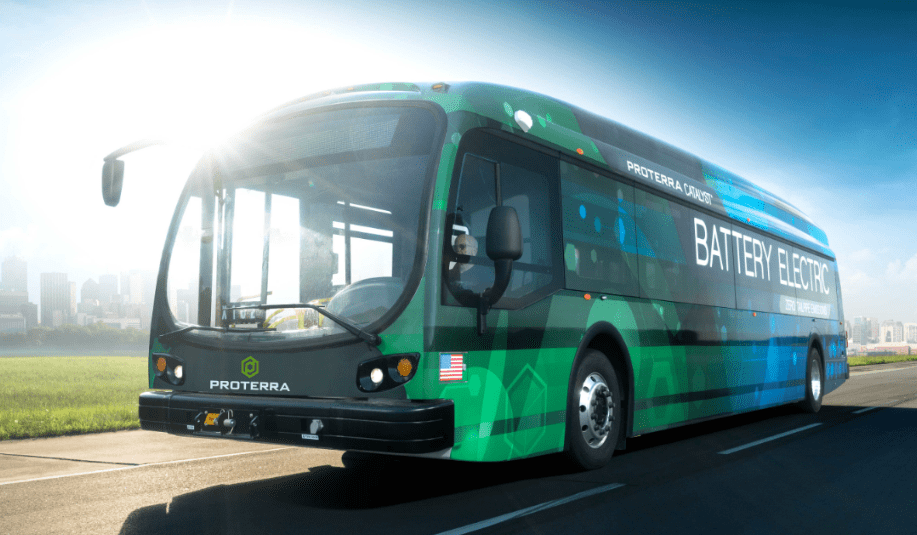
“As part of our vision at CATbus, we are committed over the next eight years to expand upon projects that reduce energy consumption and increase access to clean, efficient mass transit. The integration of these 10 Proterra electric buses into our fleet is a big step in making this happen,” comments Keith Moody, interim general manager of CATbus. “With 50 percent of our fleet soon to be serviced by zero-emission, battery-electric buses, today marks an important milestone, and we’re pleased to further our partnership with Proterra as the company helps CATbus achieve our transit goals towards a 100 percent electric fleet.”
CATbus purchased the Proterra Catalyst E2 buses in part with a $3.9 million grant from the Federal Highway and Transit Administration’s Low- or No-Emissions program. The program provided $55 million in bus-buying grants to municipalities in 2016.
The new purchase complements the six Proterra buses already servicing the City of Seneca by CATbus. In 2015, Seneca became the first city in the U.S. to operate an all-electric bus fleet, notes Proterra. Since the fleet debuted, the Seneca Proterra buses have received 27,950 charges, traveled more than 520,000 miles and eliminated over 2,848,600 pounds of greenhouse gases.
